
Call us now :08045811842
 Send Inquiry
 Send Inquiry
CO2 Laser Tube
MOQ : 1 Unit
CO2 Laser Tube Specification
- Wave Length
- 10.6 m
- Laser Type
- Sealed-off CO2 gas laser
- Product Type
- CO2 Laser Tube
- Input Voltage
- 220 Volt (V)
- Color Temperature
- N/A (Infrared laser, not visible light)
- IP Rating
- IP66
- Working Temperature
- 10C to 40C
- Light Source
- CO2 Gas Discharge
- Emitting Color
- Infrared (invisible, ~10.6 m wavelength)
- Energy Output
- 40W-150W (varies by tube model)
- Frequency (MHz)
- 50 Hertz (HZ)
- Volume
- Varies by power rating, typically 1500 mm x 80 mm for a 100W tube
- Length
- 700 mm to 1800 mm (depends on wattage)
- Safety
- Requires interlocked enclosure and eye protection for operation
- Beam Quality
- TEM00 or TEM01 (varies by tube)
- Material
- Borosilicate glass, with metal and ceramic end caps
- Mounting
- Horizontal (with vibration isolation preferred)
- Operating Mode
- Continuous wave (CW)
- Diameter
- 50 mm to 90 mm (varies by model)
- Cooling Method
- Water cooled (external chiller required)
- Expected Lifetime
- 1500-3000 hours (depends on usage and conditioning)
- Application
- Laser cutting, engraving, marking, medical procedures, industrial processing
- Recharging
- Non-rechargeable (sealed tube type)
CO2 Laser Tube Trade Information
- Minimum Order Quantity
- 1 Unit
- Payment Terms
- Cash in Advance (CID), Cheque
- Supply Ability
- 10 Units Per Month
- Delivery Time
- 1 Days
- Main Domestic Market
- All India
About CO2 Laser Tube
Backed by years of knowledge, we are engaged in dealing an comprehensive range of CO2 Laser Tube. The tubes has the advantages of smaller size, better beam quality and higher cutting speed compared with the similar products. It is manufactured by our ingenious professionals using optimum quality materials at our well equipped premises. Our offered range of CO2 Laser Tube is most popular series among the customers with its low repair rate, reliable stability and higher power.
Other Details:
- Power: 80 W
- Model: S and W Series
- Usage/Application: Laser Machine
Specification
|
Power |
80-100 Watt |
|
Material |
Glass |
|
Length |
600-800 mm |
|
Usage/Application |
Laser Machines |
Reliable Performance for Versatile Applications
This CO2 Laser Tube caters to a diverse set of industries, including manufacturing, medical, and design. Its continuous wave operation grants consistent energy output, making it well-suited for precision tasks such as laser cutting and engraving. The tube's design ensures high-quality beam profiles (TEM00 or TEM01), supporting detailed work across various materials.
Efficient Cooling for Longevity
Efficient water cooling with an external chiller is crucial for maintaining optimal performance and extending the tube's operational life. Recommended for use within temperatures of 10C to 40C, these tubes are designed to resist thermal shock and can sustain prolonged work sessions without degradation.
Durability and Safety Assurance
Constructed from borosilicate glass with robust metal and ceramic end caps, the CO2 Laser Tube offers high durability and resistance to environmental factors. Integrated safety measures-such as interlocked enclosures and the use of appropriate eye protection-significantly reduce operational risks for users in industrial settings.
FAQ's of CO2 Laser Tube:
Q: How should the CO2 Laser Tube be installed and mounted for optimal performance?
A: The CO2 Laser Tube should be mounted in a horizontal position with effective vibration isolation to ensure beam stability and prevent damage. Secure placement helps prolong the tube's operational life and supports the consistent delivery of laser output.Q: What type of cooling system is required for this laser tube, and why?
A: This laser tube employs water cooling and requires an external chiller. Proper cooling prevents overheating, which is essential for maintaining the tube's efficiency, stable performance, and extending its service life-especially during extended use in industrial processes.Q: When is the CO2 Laser Tube most commonly used in industrial applications?
A: It is predominantly used when high-precision cutting, engraving, marking, or medical procedures are needed. Its suitability for continuous wave operation provides consistent energy, benefiting processes that demand accuracy and repeatability.Q: Where should the CO2 Laser Tube be housed during operation for safe use?
A: It must be placed within an interlocked enclosure that prevents accidental exposure to infrared emissions. Proper housing not only ensures personnel safety but also maintains controlled environmental conditions, which can further enhance tube longevity.Q: What is the typical expected lifetime of a CO2 Laser Tube, and what factors influence it?
A: The expected lifetime ranges from 1500 to 3000 hours, depending on usage patterns, maintenance, cooling adequacy, and environmental conditions. Adhering to recommended operating temperatures and ensuring efficient water cooling are significant in maximizing tube lifespan.Q: How does the beam quality (TEM00 or TEM01) affect the tube's usage?
A: Beam quality determines the precision and focus of the laser output. TEM00 offers a smaller, more concentrated spot ideal for fine engraving, while TEM01 may be better suited for broader cutting applications. Choosing the right beam profile enhances results for specific tasks.Q: What benefits does the IP66 rating provide for this laser tube?
A: An IP66 rating means the tube is highly resistant to dust ingress and powerful water jets. This enhances its durability and reliability, particularly in demanding industrial environments where exposure to particulate or liquid contamination is possible.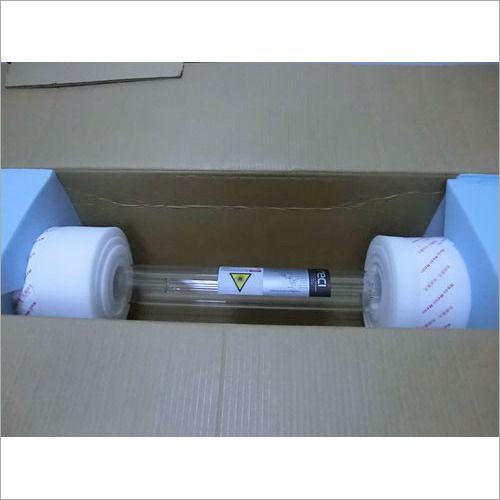
Tell us about your requirement

Price:
Quantity
Select Unit
- 50
- 100
- 200
- 250
- 500
- 1000+
Additional detail
Mobile number
Email

More Products in Laser Glass Tube Category
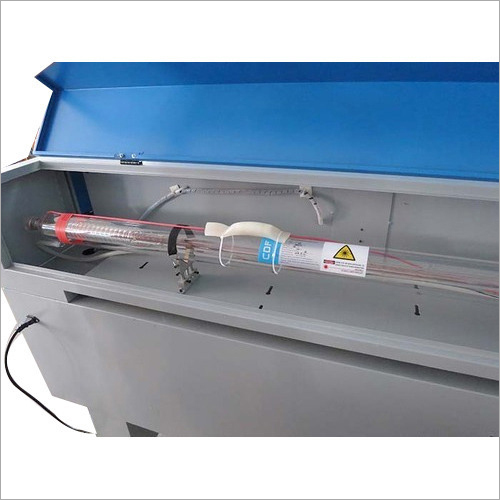
CO2 Laser Glass Tube
Price 200000 INR / Unit
Minimum Order Quantity : 1 Unit
IP Rating : IP55
Frequency (MHz) : 50 Hertz (HZ)
Laser Type : Sealed CO2 Gas Laser
Input Voltage : 220 Volt (V)

 Send Inquiry
Our Products

Shop No. 8, Sai Aradhana Building A/4, Sec-B, Jesal Park, Bhayandar East,Mira Bhayandar - 401105, Maharashtra, India

Mr. Affak
(Proprietor)
Mobile :08045811842
 Send Inquiry
 Send SMS
Developed and Managed by Infocom Network Private Limited.
